Moon Days

PURNIMA & AMAVASYA
There are no classes on the full (purnima) or new (amayasa) moon.
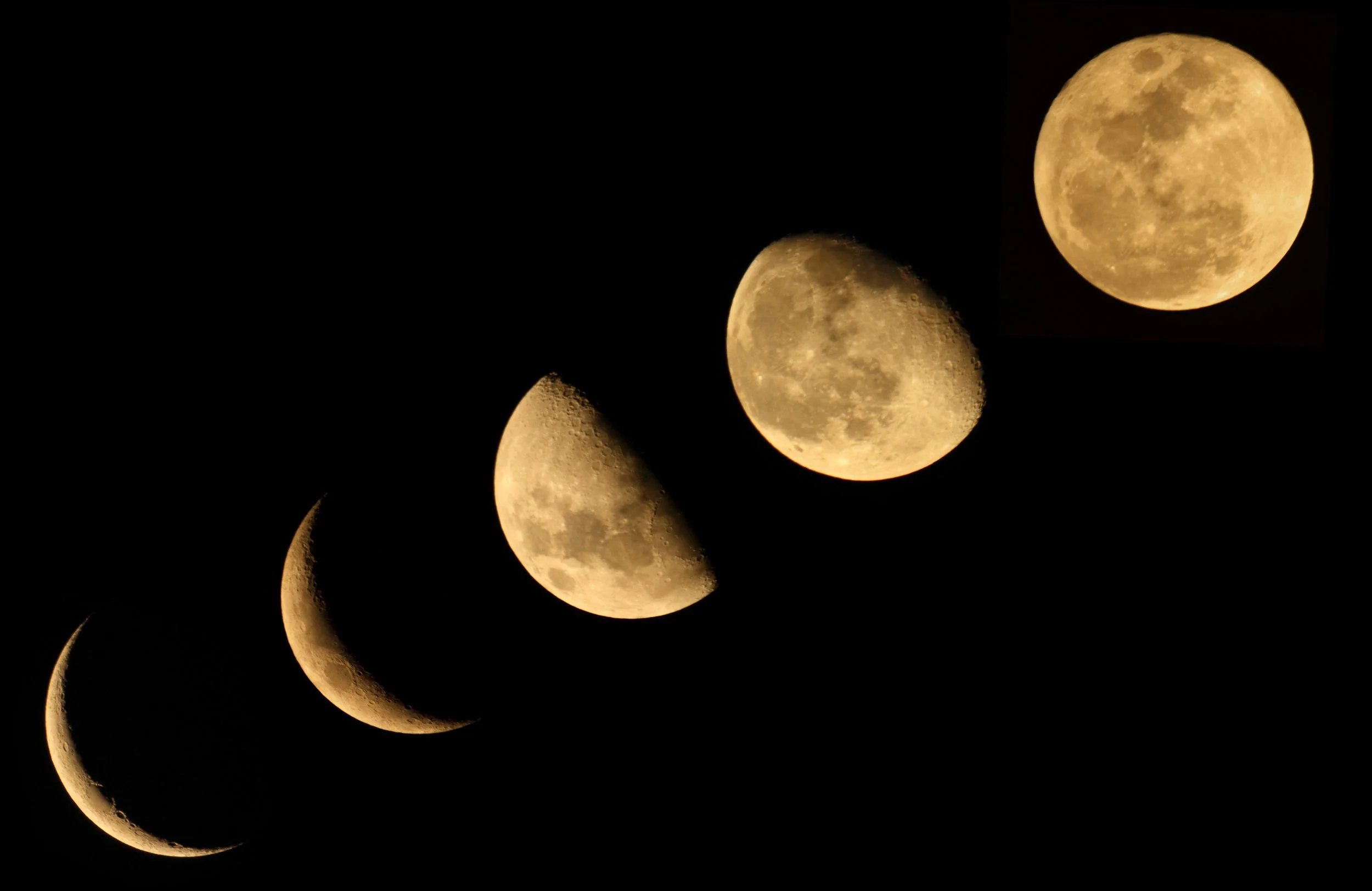
The observance of moon days originates from the Vedic philosophy ‘As above, so below’, where it is thought that the waxing and waning of the moon exerts a gravitational pull on the earth and our minds.
In India, yoga is commonly believed to be a practice of Vedic origin, so it makes sense that the Vedic observances are applied to the yoga teachings. It's worth bearing in mind that the moon controls the tides, and the human body consists of up to 66% water.
It is out of respect for the knowledge and teachings of our forebearers that many students observe the moon days. The choice to adhere to this observance is personal, but it’s worth noting that committing to a lineage and its traditions offers us humility, thoughtfulness and discipline.
From my own experience, as a modern practitioner living in a world that is increasingly disconnected from the natural environment, I have found that following the phases of the moon helps keep me connected to the energy of nature.
It also provides time for other reflective practices, such as walking in nature, journaling, a longer pranayama or meditation, or simply more sleep.